
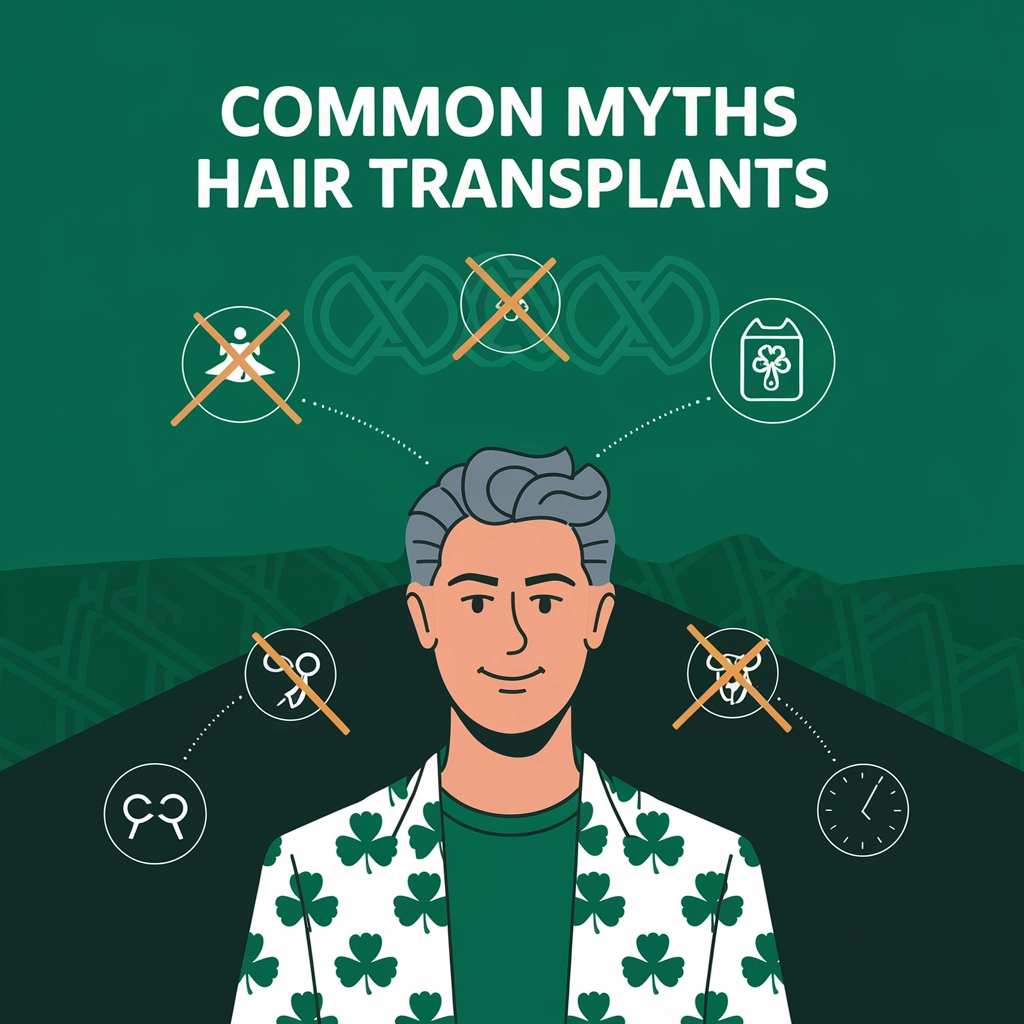
Hair transplants are life-changing for many, but misconceptions about the procedure can lead to unnecessary doubts or unrealistic expectations. In this post, we’ll address some of the most common myths about hair transplants and provide facts to help you make an informed decision.
1. Myth: Hair Transplants Are Only for Men
Fact: Hair transplants are effective for both men and women experiencing hair loss. While male pattern baldness is more common, women facing thinning hair or receding hairlines can also benefit from the procedure.
2. Myth: Hair Transplants Are Painful
Fact: Modern techniques like Follicular Unit Extraction (FUE) are minimally invasive and performed under local anesthesia. Most patients report feeling little to no discomfort during the procedure, with mild soreness afterward that subsides quickly.
3. Myth: Results Look Unnatural
Fact: When performed by experienced specialists, hair transplants deliver natural results. Each hair follicle is strategically placed to match your natural growth pattern, ensuring a seamless appearance.
4. Myth: Hair Transplants Are Only for Severe Hair Loss
Fact: Hair transplants can address both advanced and early-stage hair loss. Starting treatment sooner may even prevent further thinning and enhance overall results.
5. Myth: Recovery Takes Too Long
Fact: Most patients return to their normal routines within a few days. Full results are visible after several months, but the recovery period is typically short and manageable. Clinics provide detailed aftercare instructions to help you heal quickly and effectively.
6. Why Understanding These Myths Matters
Believing in myths can prevent people from exploring the life-changing benefits of hair restoration. By separating fact from fiction, you can confidently take the first step toward addressing your hair loss and regaining your confidence.
